 Monarch Marketing
June 18, 2025
Monarch Marketing
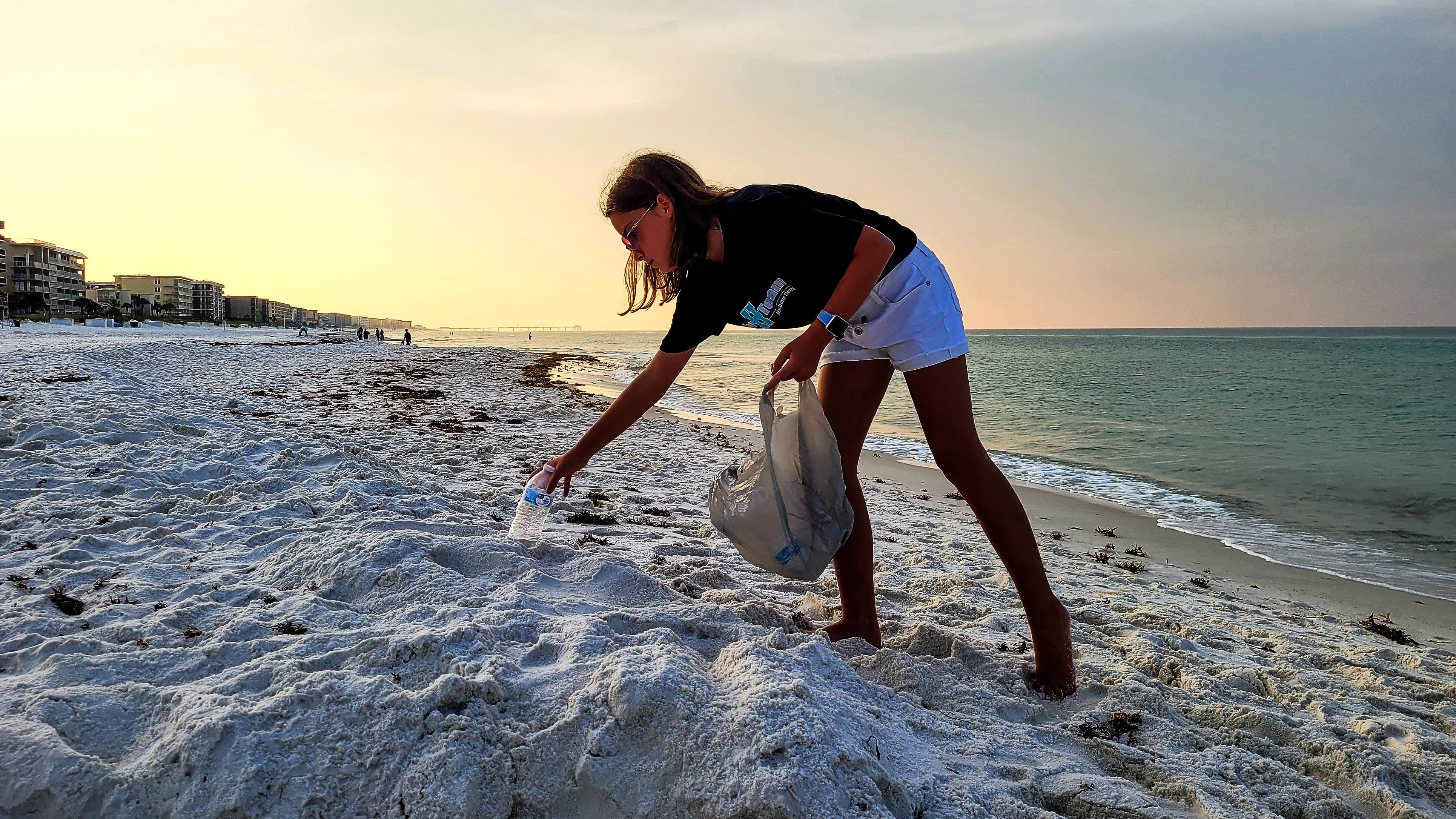 Florida is home to some of the most beautiful beaches in the world. From the Panhandle waters to the shores of Miami, Florida beaches remain a popular vacation spot and home to locals. As we begin this week dedicated to clean beaches, it’s important to shine light on the prevalent litter across the beaches. Our efforts can go a long way- as locals and visitors- to keep our beaches clean. Let’s make a difference together, one piece of plastic at a time.
The simplest rule of beach cleanliness: if you brought it, take it back with you. That includes:
Food wrappers and drink containers
Beach toys and broken gear
Towels, chairs, and umbrellas
Even small items like cigarette butts or bottle caps can take years to decompose and are harmful to wildlife.
Plastic waste is a major threat to marine life. Even the smallest of remnants can cause damage and injuries. Instead:
Bring reusable water bottles and containers
Skip plastic straws and cutlery
Use mesh bags or reusable totes for your belongings
Some Florida counties have local ordinances restricting plastic use — supporting these efforts makes a big difference.
Local organizations like Keep Florida Beautiful, Surfrider Foundation, and 4Ocean host regular beach cleanups. You can also:
Host your own mini-cleanup with friends or family. Choose a day and spread the word in your community. Spend the day gathering litter across nearby beaches and properly disposing of it. You’ll be surprised at how much you’ll find.
Spend five extra minutes after your regular visits to pick up litter — even if it’s not yours.
Every piece of trash removed is one less threat to sea turtles, birds, and marine habitats.
Stay on designated paths and off the dunes. These natural barriers protect the coastline and provide vital habitat for birds, turtles, and native plants. During sea turtle nesting season (March–October), be especially cautious:
Avoid disturbing nests
Turn off lights at night near nesting zones
Keep a respectful distance from wildlife
Sometimes, people just don’t know better. Lead by example:
Share facts about the impact of beach pollution
Gently remind others to pick up after themselves
Support local environmental groups on social media
Raising awareness creates a culture of respect and responsibility.
–
Whether it’s your first visit or your hundredth, leave the beach better than you found it. Keeping Florida’s beaches clean is more than an environmental duty — it’s about preserving a way of life. Our beaches fuel the economy, support wildlife, and offer a space to relax and reconnect year after year. With a few mindful actions, we can all help ensure they stay pristine for future generations. Thank you for making a difference!