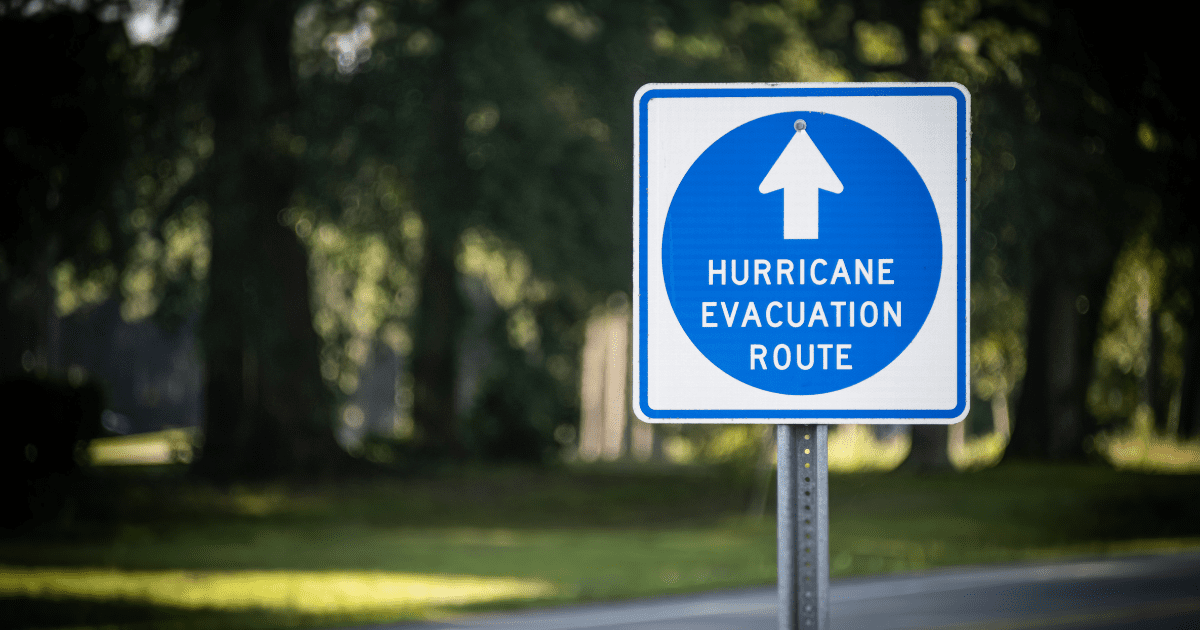
One of the most critical aspects of preparing for a storm is understanding your evacuation zone. As hurricanes remain a recurring threat, knowing your zone can make a life-saving difference. We want to guide you through what evacuation zones are, how to find yours, and what actions to take based on your zone.
What Are Evacuation Zones?
Evacuation zones are designated areas that help local authorities determine which areas are at risk during a hurricane and need to be evacuated. These zones are part of a broader emergency management strategy aimed at reducing risks and ensuring public safety. Each zone is categorized based on its level of risk, typically influenced by factors such as storm surge, flooding, and wind damage.
How to Find Your Evacuation Zone
- Check Local Government Resources: Most counties in Florida provide detailed maps and information on their official websites. Look for emergency management or hurricane preparedness sections for the most accurate and up-to-date information.
- Use Online Tools: The Florida Division of Emergency Management has an online tool called “Know Your Zone” where you can enter your address to find your evacuation zone. This tool is user-friendly and provides detailed information specific to your location.
- Contact Local Authorities: If you’re unable to access online resources, you can contact your local emergency management office for assistance. They can provide information about your zone and answer any questions you might have.
Understanding Evacuation Zone Categories
Evacuation zones are typically labeled with letters (e.g., Zone A, Zone B, etc.), with Zone A often representing areas at the highest risk. Here’s a general overview of what each category might indicate:
- Zone A: This is usually the area with the highest risk of storm surge and flooding. If you are in Zone A, you may be advised to evacuate well before a hurricane makes landfall.
- Zone B and C: These zones are at varying levels of risk, with Zone B generally representing a moderate risk and Zone C a lower risk compared to Zone A. However, they can still experience significant impacts from severe storms.
- Special Considerations: Some areas might have additional designations based on local risk factors, such as areas prone to river flooding or specific topographical features.
What to Do Based on Your Evacuation Zone
- Know Your Evacuation Route: Familiarize yourself with the routes leading out of your zone. Plan multiple routes if possible and consider potential traffic or road closures.
- Prepare an Emergency Kit: Assemble a kit with essentials such as water, non-perishable food, medications, important documents, and any special items for pets or infants.
- Create a Family Plan: Ensure everyone in your household knows the evacuation plan, including where to meet and how to stay in touch.
- Stay Informed: Keep up with local news and weather reports for updates on evacuation orders and hurricane progress. Follow guidance from local officials and be prepared to leave quickly if instructed to do so.
- Secure Your Home: Before evacuating, make sure to secure your home as best as possible. This includes boarding up windows, securing outdoor objects, and turning off utilities if advised.
What to Do After an Evacuation
- Wait for Official All-Clear: Do not return to your home until local authorities have declared it safe to do so. Even if your area seems clear, there may be hazards you’re not immediately aware of.
- Inspect Your Property: Once it’s safe to return, carefully inspect your property for damage. Be cautious of potential hazards such as structural damage or gas leaks.
- Stay Updated: Continue to monitor local news for recovery information and assistance available in your area.
Understanding your evacuation zone is not just a matter of being prepared; it’s a crucial part of ensuring your safety and the safety of your loved ones during hurricane season. By knowing your zone and following the appropriate steps, you can help protect yourself and your community from the potentially devastating effects of a hurricane. Stay informed, stay prepared, and stay safe!
We’re Here For You, Florida
Get in touch with us if you need more information. We’re here to help you soar!
Related
 Monarch Marketing