 Monarch Marketing
September 8, 2025
Monarch Marketing
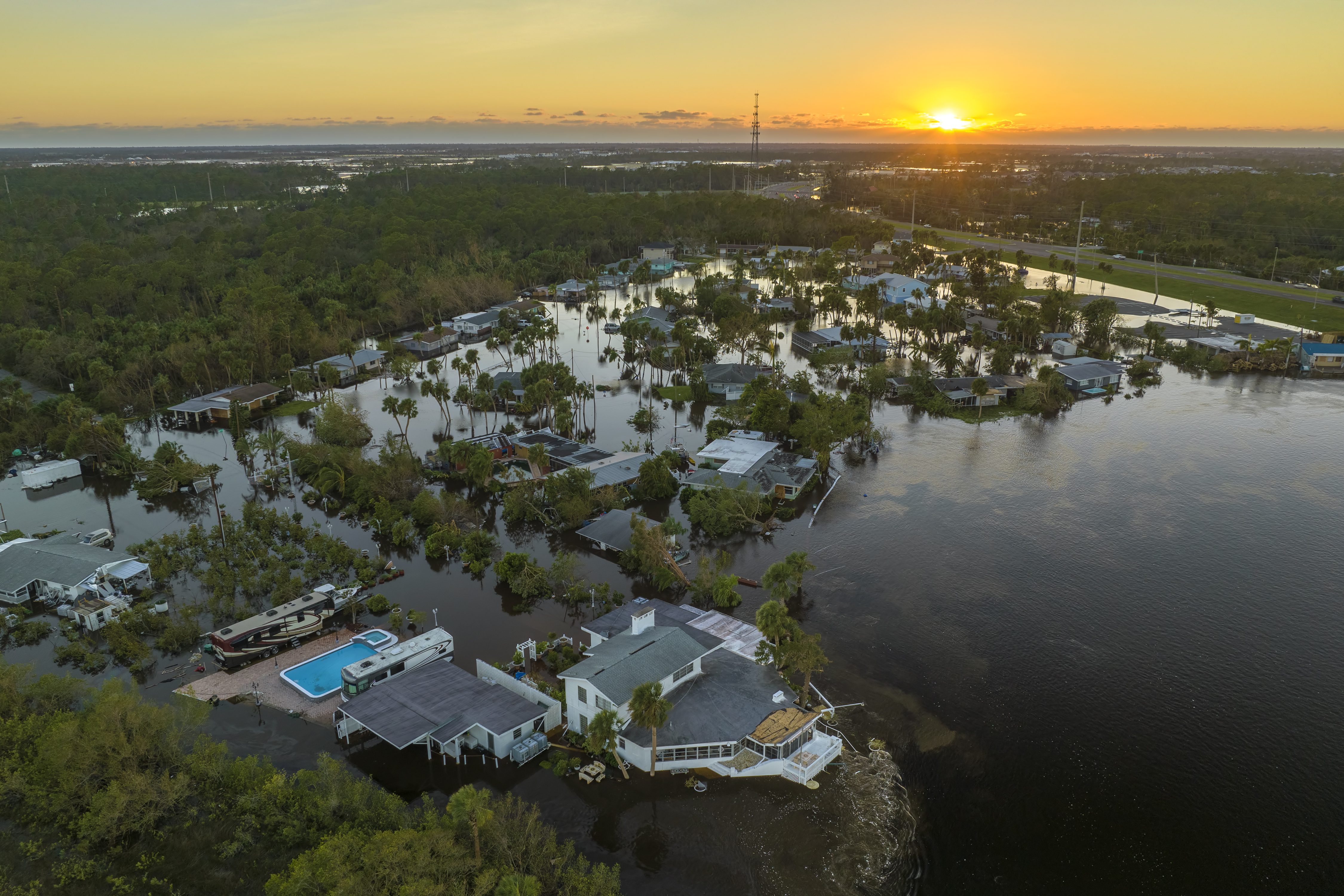
Hurricanes have been impacting Florida for centuries, with records dating back to early colonial times. Some of these storms are likely core memories of your past experiences with Florida weather. Here are some of those key moments in Florida’s hurricane history, and some lessons that followed:
Category: 4
Impact: Flattened much of Miami, killed over 370 people, and caused widespread flooding. This storm exposed the vulnerabilities of a booming city and led to stronger building codes and urban planning practices.
Category: 5
Impact: The most intense hurricane to ever strike the U.S., it devastated the Florida Keys and killed more than 400 people. This storm highlighted the deadly consequences of insufficient warning systems, leading to improvements in forecasting and evacuation procedures.
Category: 5
Impact: Caused over $27 billion in damage, destroyed more than 25,000 homes in South Florida. This storm prompted a massive overhaul of Florida’s building codes, especially for wind resistance, which are now among the strictest in the nation.
Category: 4
Impact: Made landfall on Florida’s Gulf Coast and caused billions in damages. This storm emphasized the unpredictability of hurricane paths and the need for rapid response plans and public awareness.
Category: 4
Impact: Affected nearly every part of Florida, prompting one of the largest evacuations in U.S. history. This storm highlighted the importance of statewide coordination and infrastructure preparedness, such as power grid resilience.
Florida’s long hurricane history has taught residents, governments, and emergency services valuable lessons:
Evacuation plans, emergency kits, and public education campaigns have become essential. Floridians are encouraged to prepare at the start of each hurricane season (June 1 – November 30).
Post-Andrew reforms introduced some of the most stringent hurricane-related building standards in the world. These codes have been credited with reducing damage in subsequent storms.
Thanks to technological advances—satellites, radar, and computer modeling—meteorologists can now provide more accurate forecasts and earlier warnings, giving people more time to react.
Communities that have invested in recovery planning, insurance coverage, and resilient infrastructure recover faster and more sustainably.
Rising sea levels and warmer ocean temperatures are contributing to stronger, wetter storms. Florida must adapt by planning for more intense weather events in the future.
For us Floridians, hurricanes are a part of life—but so is resilience. Every storm brings with it not just destruction, but also innovation, adaptation, and community strength.
The history of hurricanes in Florida is not just a record of devastation—it’s a testament to how knowledge, preparation, and unity can help us weather any storm.
Have an emergency kit ready (water, food, medications, batteries).
Know your evacuation zone and plan ahead.
Secure your home (shutters, loose objects outside).
Keep important documents in a waterproof container.
Stay informed via trusted sources like the National Hurricane Center.
Get in touch with us if you need more information. We’re here to help you soar!