If you’re living in Florida, it’s crucial to stay vigilant. While Florida isn’t known for frequent wildfires like some other states, the combination of its climate, hurricane season, and tropical vegetation can still pose fire risks. With that in mind, it’s crucial to be aware of how to protect your home and family. Here are essential fire prevention tips for Florida residents to help keep everyone safe this Fire Prevention Week.
1. Check Your Smoke Alarms
Smoke alarms are your first line of defense in detecting fires early.
- Test Your Alarms Monthly: Press the test button on your smoke alarms to ensure they’re functioning properly.
- Replace Batteries Regularly: It’s a good idea to replace the batteries in your smoke alarms at least once a year. If your smoke alarm starts beeping due to low battery, replace it immediately.
- Install in Key Areas: Make sure alarms are installed in every bedroom, outside sleeping areas, and on every level of your home.
2. Create and Practice an Evacuation Plan
An evacuation plan can save lives during an emergency.
- Map Out Exits: Identify at least two ways to escape from each room in your house. Keep pathways clear and accessible.
- Practice Drills: Conduct family fire drills at least twice a year. Make sure everyone in your household knows the escape plan and where to meet once safely outside.
- Designate a Meeting Spot: Have a pre-determined meeting place, like a neighbor’s yard or a safe spot down the street.
3. Be Cautious with Candles and Open Flames
Although candles can add ambiance, they can also pose a serious fire risk.
- Never Leave Unattended: Always extinguish candles when leaving a room or going to bed.
- Keep Flammable Objects Away: Ensure candles are placed away from flammable materials like curtains, bedding, or paper.
- Consider Alternatives: Battery-powered candles offer a safe alternative for home décor or emergency lighting.
4. Safely Use Your Home Appliances
Many fires start due to improper use of electrical appliances.
- Don’t Overload Outlets: Overloading electrical outlets and power strips can cause them to overheat and start a fire. Spread out your electronics to reduce strain on circuits.
- Inspect Appliances Regularly: Check for frayed or damaged cords and replace them immediately. Faulty wires can be a major fire hazard.
- Turn Off Unused Appliances: Always switch off appliances like space heaters, stoves, and dryers when not in use, especially when leaving the house.
5. Maintain Your HVAC System
Florida’s hot and humid climate means many homes rely heavily on air conditioning and ventilation systems, which can become fire hazards without regular upkeep.
- Clean Air Ducts and Filters: Regularly clean or replace filters in your HVAC system to prevent dust and debris buildup, which can catch fire.
- Check for Electrical Issues: If you notice your HVAC system making strange sounds, or if you smell something burning, turn it off immediately and contact a professional for an inspection.
6. Hurricane Season Prep
Florida’s hurricane season brings its own set of challenges when it comes to fire safety.
- Store Flammable Liquids Properly: If you use gas-powered generators, be mindful of where you store gasoline. Keep it in a cool, ventilated area away from the house.
- Generator Safety: When using a generator, always operate it outside to prevent carbon monoxide poisoning. Make sure it’s placed far enough away from the home to avoid sparks or fires near windows and doors.
- Secure Outdoor Items: Hurricanes can scatter debris and outdoor equipment. Ensure items like grills, patio furniture, and propane tanks are properly secured to prevent damage that could lead to a fire.
7. Fire-Resistant Landscaping
Florida’s tropical landscape can also contribute to the spread of fires.
- Use Fire-Resistant Plants: Certain native Florida plants are more fire-resistant than others. Look for plants with high moisture content, such as bougainvillea, to plant near your home.
- Clear Dead Vegetation: Regularly trim back overgrown or dead vegetation near your home to reduce fire risk. Keep trees and bushes at least 30 feet away from your home, especially during dry seasons.
- Maintain a Safe Perimeter: Create a “defensible space” by keeping grass well-watered and clear of debris. This space will help slow the spread of a fire and give firefighters a safe zone to work in if necessary.
8. Educate Your Family
Teaching your family about fire safety can go a long way in preventing fires.
- Teach Kids Fire Safety: Educate children about the dangers of playing with fire. Make sure they understand the importance of never touching lighters or matches.
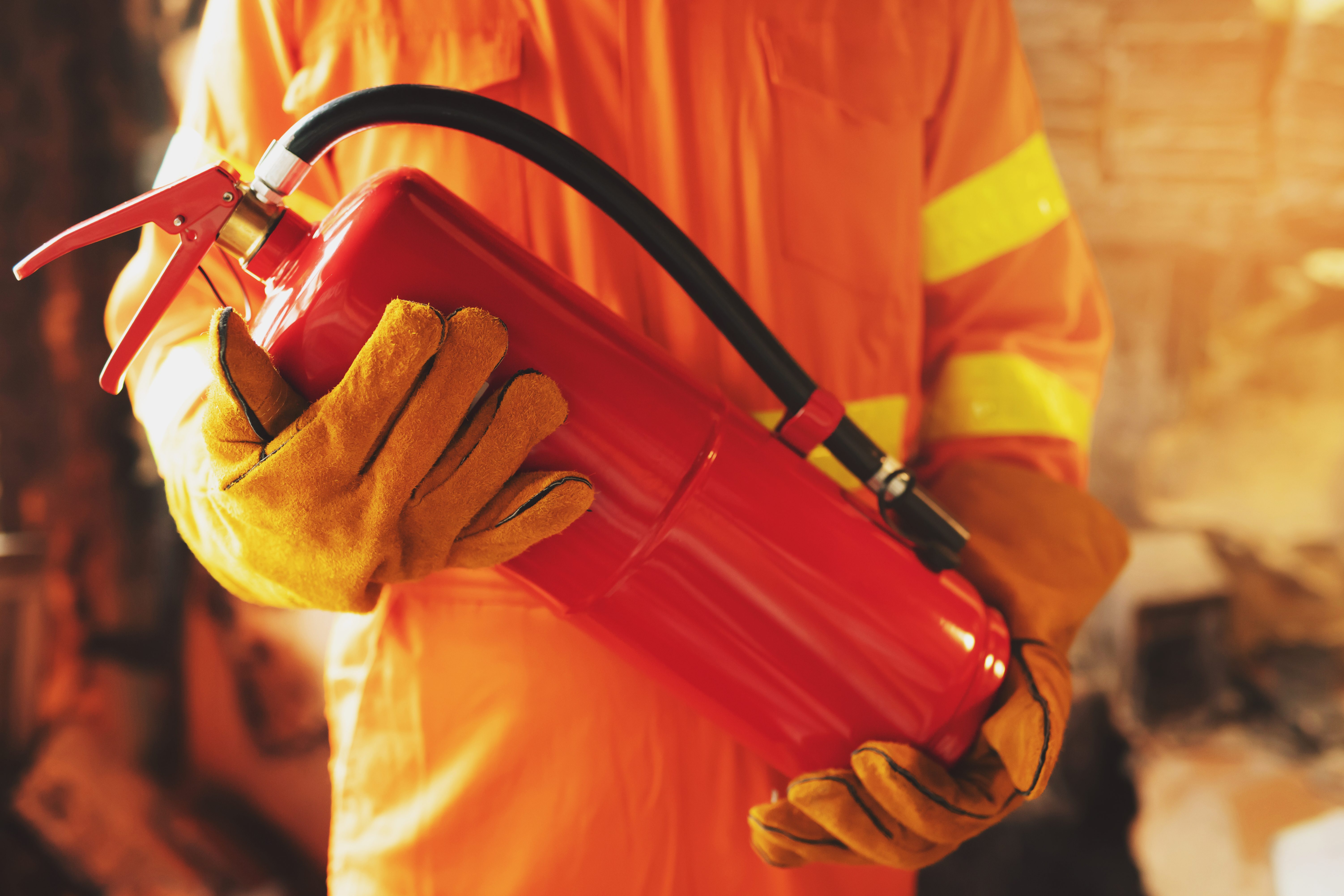
- Use Fire Extinguishers: Make sure every family member knows how to use a fire extinguisher. Keep one in key locations, like the kitchen, garage, and near the grill.
As we step into fire prevention week, we want all of you to be reminded of the importance of taking precautions. Fires can start anywhere at any time, so let’s do our best to prepare ourselves, our homes, and our loved ones.
We’re Here For You, Florida
At Monarch National, we understand the emotional and financial stress that a loss can cause. We prioritize your needs and strive to provide a fast and accurate assessment of your claim. Our commitment to you is that we will work diligently to make the process of receiving compensation for your covered loss as efficient and stress-free as possible.
Related
 Monarch Marketing